
The checkout window is brief and delicate. Although guests depart feeling relaxed and genuinely appreciative after a wonderful stay, that momentum quickly fades once they start their journey home.
Should they write a review a week later, it often amounts to just a couple of hasty lines from memory. Consequently, many hotels miss out on their most impactful guest feedback in the brief transition between the reception desk and the valet.
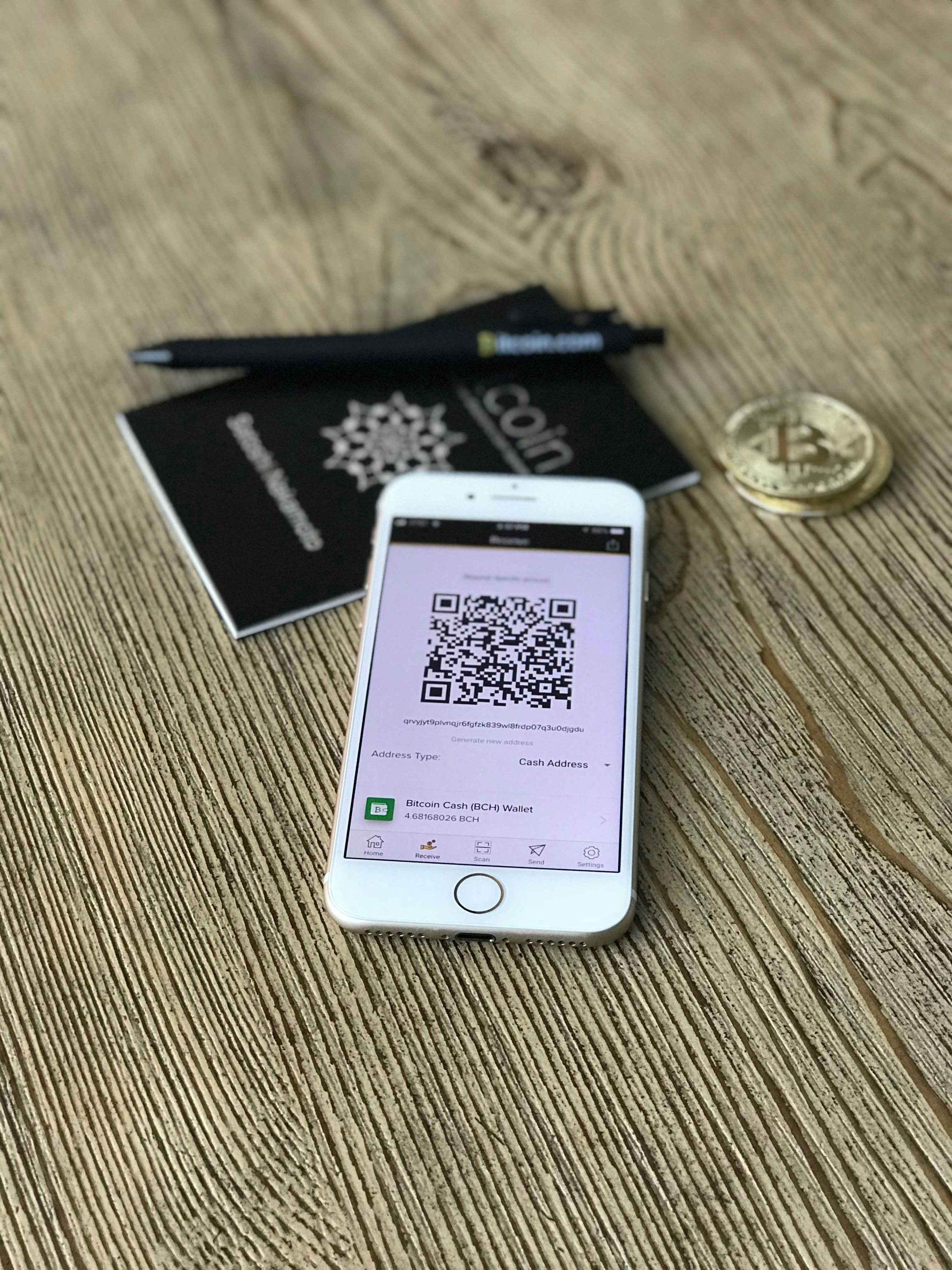
Fortunately, a simple, low-friction fix exists: the QR code.
At Point Blanc Media, we specialize in designing seamless customer journeys, which includes implementing strategically placed QR codes at checkout to capture guest sentiment at the exact moment of peak satisfaction.
It sounds too basic to matter, but in an industry where reputation drives revenue, a well-placed QR code has quietly become one of the highest-return tools in a hotel’s marketing stack. It costs next to nothing to implement, and it’s changing how forward-thinking teams approach hotels marketing management.
In Hospitality, Reviews Function as the True Currency
Guests don’t really book hotels anymore — they book review scores.
A property with a 4.7 rating and 2,000 reviews will consistently out-convert a nearly identical property sitting at 4.2 with 300 reviews, even when the two hotels are objectively comparable.
Within the hospitality industry, volume and recency carry equal weight. Search engines and major online travel agencies favor both factors, transforming guest reviews into an ongoing search engine optimization asset and a core trust indicator.
So why don’t more guests leave reviews if they had a good time? It was never a lack of opinion. It’s a timing problem. Post-stay emails get buried in inboxes, front desk staff forget to ask in the rush of checkout, and feedback cards sit untouched on the nightstand.
A QR code solves the timing problem directly. It meets guests at the exact moment their goodwill peaks — at checkout, on the room key sleeve, at the breakfast table, or in the elevator — and reduces the entire process to a scan and a tap.
Why It Works So Well
The mechanics are simple; the psychology behind them is what matters.
A QR code removes nearly every point of friction between “I had a great time” and “I told someone about it.” No searching for the hotel name, no typing, no app to download — just a phone camera and a direct link, often pre-filtered to Google, TripAdvisor, or Booking.com depending on where the hotel most needs visibility.
The sharper properties take this a step further by routing guests through a short internal survey first. Unhappy guests get filtered out before they ever reach a public platform, and their feedback goes straight to management, where it can actually be resolved. This does two things at once: it protects the hotel’s public rating, and it captures far more five-star reviews from guests who were satisfied all along but simply needed the invitation.
Turning Reviews Into a Marketing Asset, Not Just a Metric
Collecting reviews is only half the job. A glowing review sitting quietly on Google isn’t worth much on its own — the real value comes from what happens next, and this is exactly where a specialized F&B and hospitality marketing agency earns its fee.
A strong review can be reworked into a testimonial graphic, repurposed as ad copy for a retargeting campaign, or embedded on a landing page to quietly reduce booking hesitation.
Agencies that offer hospitality and F&B (like Point Blanc Media) tend to understand this loop instinctively, since the same principle applies just as well to restaurants, rooftop bars, and spas as it does to the rooms themselves. Guest sentiment, captured at the right moment, becomes raw material for nearly everything else in the marketing calendar.
Feeding Reviews Into Paid and Social Strategy
This QR code strategy fuels long-term growth by integrating reviews into your marketing mix. Consistently generating reviews strengthens your organic trust signals, improving performance for PPC campaigns in Dubai by boosting quality scores and lowering costs.
And these reviews also empower your SMM Dubai strategy, transforming feedback into compelling content—such as quote graphics and video testimonials—that builds trust far more effectively than professional photography alone.
Making It Feel Like Service, Not a Sales Ask
The hotels getting this right don’t treat the QR code as a request — they treat it as a natural extension of good service. It shows up as a small card by the coffee machine that reads “Loved your stay? Tell us in 15 seconds,” or a subtle line on the checkout receipt, rather than a hard sell at the front desk.
Tone matters as much as placement here. Guests can tell the difference between a hotel that genuinely wants to hear from them and one that’s simply chasing a rating.
The Final Words
A QR code costs almost nothing to print and almost nothing to place. But built into a broader strategy — connected to PPC, social media, and a hospitality marketing team at Point Blanc Media that knows how to turn guest sentiment into content — it becomes one of the most efficient tools a property has for building trust at scale.
The UAE hospitality market is crowded and visually competitive; nearly every property has a beautiful pool shot. In a market like that, this small square of black and white pixels might be doing more for a hotel’s bottom line than almost anything else in the marketing budget.


 info@pointblancmedia.com